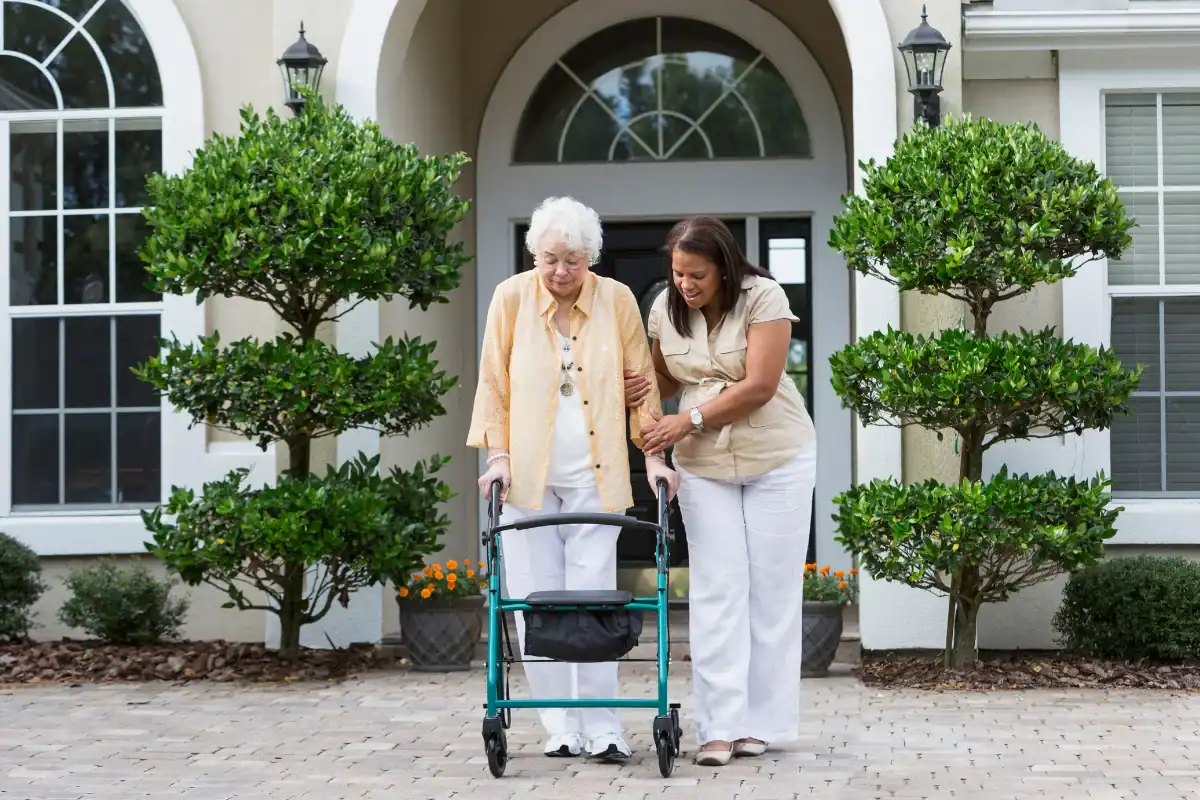
Understanding the Responsibilities of In-Home Elder Care
Learning how to care for elderly parents at home without a nursing home involves more than simply providing a place to live. As parents age, they may require assistance with daily activities, health management, and mobility support. Family members often take on responsibilities such as meal preparation, medication reminders, transportation to appointments, and emotional companionship.
The level of care required can vary widely depending on the senior’s health and independence. Some older adults need minimal support, while others require consistent help with personal care and safety monitoring. Evaluating your loved one’s needs is the first step in creating a care plan that works for everyone involved.
Families should also consider long-term planning. As aging progresses, care needs can change quickly. Establishing a flexible plan ensures that seniors can continue living comfortably at home even as additional support becomes necessary.
Creating a Safe and Comfortable Home Environment
Safety is one of the most important factors when caring for aging parents at home. Many homes were not designed with senior mobility in mind, which can increase the risk of falls and injuries.
Simple modifications can make a significant difference. Installing grab bars in bathrooms, improving lighting throughout the home, removing tripping hazards, and ensuring clear walkways can help seniors move around more safely. In some cases, mobility aids or medical equipment may also be helpful.
Equally important is creating a comfortable and supportive living environment. Seniors should feel secure, respected, and included in daily activities. Maintaining familiar surroundings can greatly improve emotional well-being and reduce anxiety, especially for seniors experiencing cognitive changes.
Establishing Daily Routines and Healthy Habits
Consistency can make caring for aging parents at home more manageable for both seniors and caregivers. Structured routines help seniors stay engaged and maintain healthy habits.
Daily routines may include regular meal times, medication reminders, light physical activity, and social interaction. Encouraging seniors to remain active—both physically and mentally—can help improve overall health and reduce feelings of isolation.
Nutrition also plays a vital role in senior well-being. Balanced meals, proper hydration, and monitoring dietary needs can help prevent complications related to aging or chronic health conditions.
Families should also monitor signs that additional care may be needed. Difficulty with mobility, increased forgetfulness, or challenges with personal hygiene can indicate that professional support might be beneficial.