
Florida-licensed nurse registry (AHCA #30211951) Se habla español
Call (561) 838-7165

Senior Care Options: A Family Guide to Every Level of Care

Reviewed for accuracy by Julian O’Campo, Founder of Lux Senior Care · Last reviewed 

Senior care options range from a few hours of help at home to 24-hour care, adult day programs, assisted living, memory care, and nursing homes. The right level depends on how much daily help is needed, safety, where your loved one wants to live, and the budget. Many families start at home and add help as needs grow.

Key facts

Choosing care for an aging parent or spouse often starts in a hurry: a fall, a hospital stay, a new diagnosis, or a worried call from a neighbor. Knowing your senior care options ahead of time makes those decisions easier and less rushed.

This guide walks through every level of care, from the lightest help at home to round-the-clock nursing, with what each one includes, who it fits, what it costs, and how families pay for it.

Get Your Free Consultation

Complete the Form Below and We’ll Get Back to you Immediately.

Levels of care for elderly adults at a glance

These are the main types of senior care, sometimes called the types of care for elderly adults, listed from the least to the most support. Many people move through several levels over time, and many combine them, such as home care plus an adult day program.

Level of care What it includes Best for Where
Companion and homemaker care Company, meals, errands, light housekeeping, rides Mostly independent seniors who need a hand or company At home
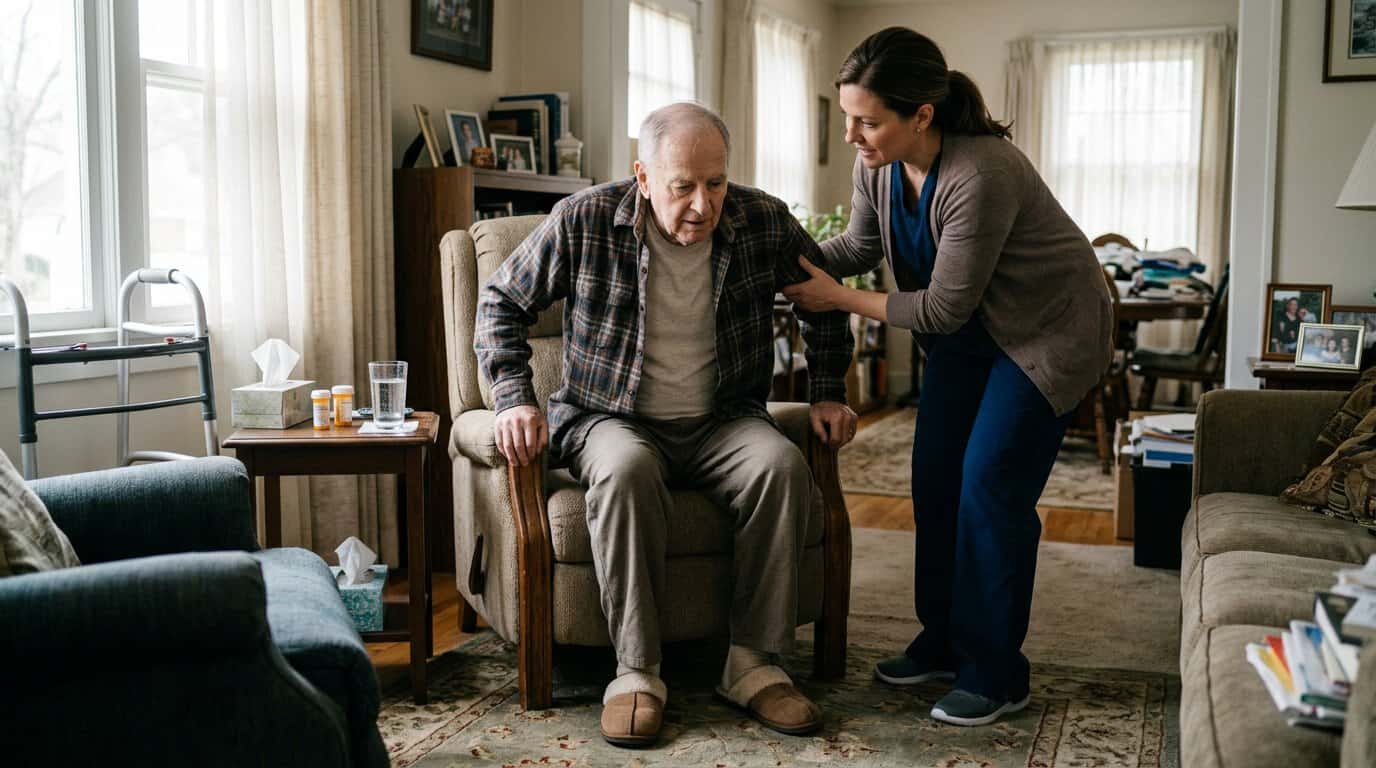
Personal care Help with bathing, dressing, toileting, and moving safely Seniors who need hands-on help with daily activities At home
Overnight, live-in, and 24-hour care Someone present through the night or around the clock High fall risk, dementia, recovery after a hospital stay At home
Respite care Short-term care so the family caregiver can rest Family caregivers who need a break At home, adult day, or a short stay
Home health and private duty nursing Skilled nursing and therapy Medical needs that can be met at home At home
Adult day programs Supervised daytime activities, meals, some health services Social seniors and working family caregivers Day center
Independent and assisted living Housing with meals and varying help with daily activities Seniors ready to move who need some daily help Senior community
Memory care A secure setting with staff trained in dementia care Middle to late-stage dementia, wandering Senior community
Nursing home 24-hour nursing care and rehabilitation Complex medical needs or short-term rehab Nursing facility
Hospice Comfort-focused care at the end of life A life expectancy of 6 months or less Wherever the person lives

What is in-home care?

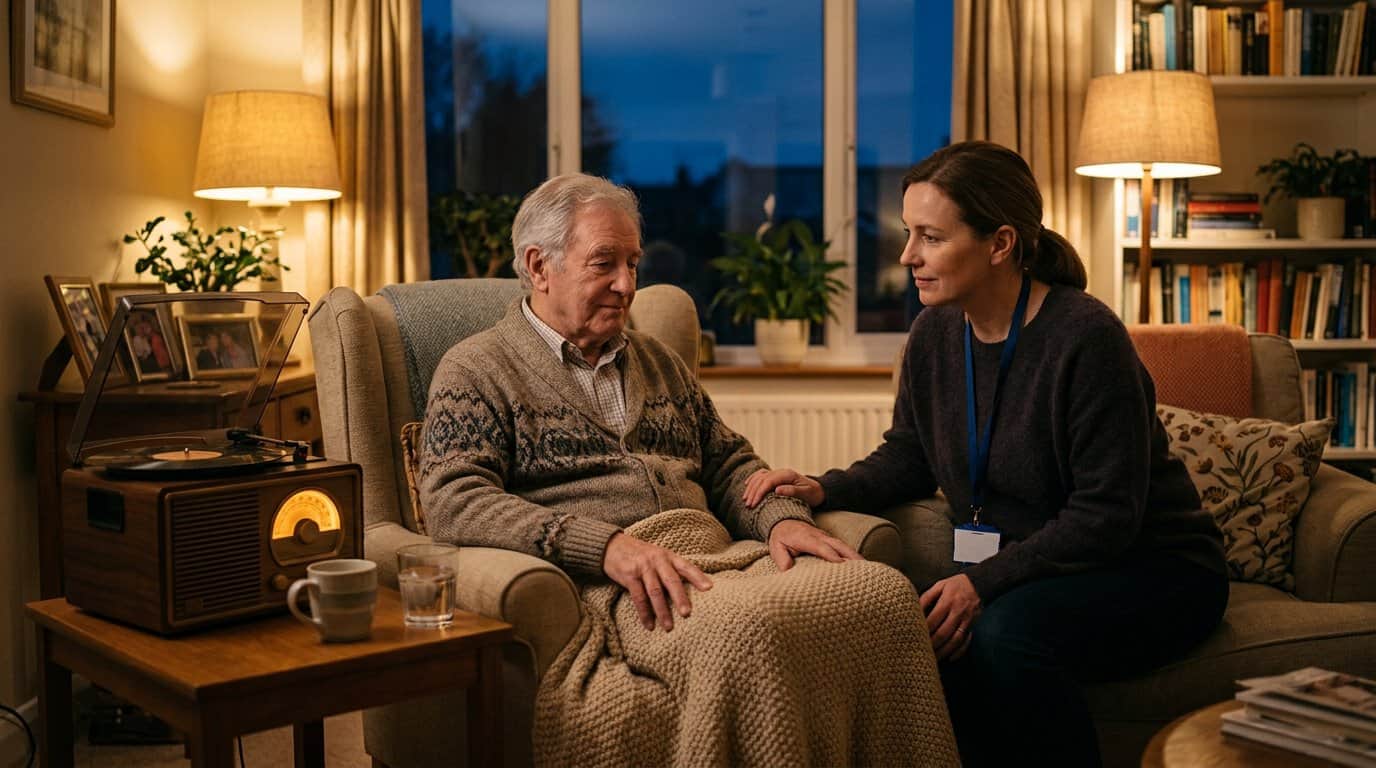
In-home care is non-medical help provided in a senior’s own home: companionship, meals, housekeeping, errands, rides, and hands-on help with bathing, dressing, and moving safely. It is scheduled by the hour, from a few hours a week to around the clock, and it lets a person stay in familiar surroundings with their own routines.

For many families, home care is the first step. It can start small, with a few visits a week, and grow as needs change.

What does a caregiver do?

A caregiver’s day depends on the person and the plan, but common tasks include:

Caregivers who are not licensed nurses don’t perform skilled medical tasks such as wound care or injections. Read what home health aides do for their patients and the difference between companion care and personal care.

Types of in-home care

Home care vs. home health care

The names sound alike, but they are different services. Home care is non-medical help with daily life, scheduled for as many hours as the family chooses. Home health care is skilled, doctor-ordered care, such as nursing or physical therapy, usually in short visits. Medicare can cover home health care for people who are homebound and need part-time skilled care, but it does not cover personal care at home when that is the only care needed (Medicare.gov).

Many families use both: home health visits for the skilled needs, and home care for the hours in between. Read the difference between home care and home health care.
senior care options 2

Nurse registry vs. home care agency

Families can arrange care at home in more than one way. A home care agency employs its caregivers and assigns them to clients. With a nurse registry like Lux Senior Care, families are referred pre-screened, independent caregivers and choose the hours they need. The caregivers are independent contractors, not employees of the registry. Learn how a nurse registry differs from a home care agency.

Adult day programs

Adult day programs offer supervised activities, meals, social time, and sometimes health services during daytime hours. They work well for seniors who enjoy company and for family caregivers who work. The 2025 national median for adult day health care was $95 a day (CareScout).

Some programs specialize in memory loss. Learn about Alzheimer’s day care in Palm Beach County and how much senior day care costs in Florida.

Independent living and assisted living

Independent living communities offer private apartments, meals, activities, and maintenance-free living, but little personal care. Assisted living adds help with daily activities, such as bathing, dressing, and medication management, along with meals and supervision. The 2025 national median for assisted living was $6,200 a month (CareScout).

Assisted living can be a good fit when someone needs regular help but not round-the-clock nursing, and is ready to move. If you are comparing communities, senior placement services can help narrow the choices.

Memory care

Memory care is a secure setting, often a separate wing of an assisted living community, with staff trained to care for people living with Alzheimer’s and other dementias. It offers structured routines, activities designed for memory loss, and protection against wandering.

Many people with dementia stay at home for years with the right support, especially in the early and middle stages. Learn how needs change in our guide to the stages of dementia, and see Alzheimer’s and dementia care at home.

Cost of memory care vs. nursing home

Memory care is usually priced above standard assisted living because of added staffing, security, and programming. A nursing home is typically the most expensive setting: the 2025 national median was $315 a day for a semi-private room and $355 a day for a private room (CareScout). Whether memory care costs more or less than a nursing home depends on the community and the level of care, so compare written quotes side by side.

Nursing homes and skilled nursing

Nursing homes serve two different needs. Short-term rehab after a hospital stay is often covered by Medicare for up to 100 days per benefit period after a qualifying inpatient stay (Medicare.gov). Long-term nursing home care, for people who need 24-hour nursing and help with nearly every daily activity, is usually paid privately, through long-term care insurance, or through Medicaid.

Read the pros and cons of nursing homes and when to move from assisted living to a nursing home.

Nursing home vs. home care: how they compare

Level of care What it includes Best for Where
Companion and homemaker care Company, meals, errands, light housekeeping, rides Mostly independent seniors who need a hand or company At home
Personal care Help with bathing, dressing, toileting, and moving safely Seniors who need hands-on help with daily activities At home
Overnight, live-in, and 24-hour care Someone present through the night or around the clock High fall risk, dementia, recovery after a hospital stay At home
Respite care Short-term care so the family caregiver can rest Family caregivers who need a break At home, adult day, or a short stay
Home health and private duty nursing Skilled nursing and therapy Medical needs that can be met at home At home
Adult day programs Supervised daytime activities, meals, some health services Social seniors and working family caregivers Day center
Independent and assisted living Housing with meals and varying help with daily activities Seniors ready to move who need some daily help Senior community
Memory care A secure setting with staff trained in dementia care Middle to late-stage dementia, wandering Senior community
Nursing home 24-hour nursing care and rehabilitation Complex medical needs or short-term rehab Nursing facility
Hospice Comfort-focused care at the end of life A life expectancy of 6 months or less Wherever the person lives

Source: CareScout 2025 Cost of Care Survey. Florida and local costs differ; see home care costs in Palm Beach County.

In-home care vs. nursing home: which costs less?

It depends on the hours. A few hours of help a day usually costs much less than a nursing home. Round-the-clock care is different: at the 2025 national median of $35 an hour, 24-hour care at home adds up to more than a nursing home. Many families use home care to delay or avoid a move, then reassess as needs grow.

senior care options 3

How to choose the right level of care

Start with your loved one’s daily life, not the label on the service. These questions help:

  1. How much help is needed each day, and with which tasks?
  2. Is it safe for your loved one to be alone, during the day and at night?
  3. Are there skilled medical needs, such as wound care or injections?
  4. Is memory loss affecting safety, such as wandering or leaving the stove on?
  5. What does your loved one want, and where do they want to live?
  6. How much can family realistically provide, and for how long?
  7. What benefits and budget are available?

A doctor’s assessment and an honest family conversation are the best starting points. For more help, read signs your parent may need a home caregiver, when it’s time to consider in-home care, and how to choose home care for elderly parents.

When a parent refuses help

Many older adults resist help, even when they need it. Independence, pride, cost worries, and fear of losing control are common reasons. Starting small, with a few hours of help framed around errands or housework, is often the easiest yes. Read when an elderly parent refuses help for conversation tips.

Paying for each level of care

For details, read our guide to paying for senior care at home in Florida.

Aging parent care: coordinating from near or far

Aging parent care goes more smoothly when the family has a plan, whether you live down the street or out of state:

senior care options 4

In-home care options in Palm Beach and the Treasure Coast

Lux Senior Care is a Florida-licensed nurse registry serving Palm Beach, Martin, St. Lucie, Indian River, and Okeechobee Counties. We refer pre-screened, independent caregivers, including companions, CNAs, home health aides, and nurses, for the hours a family needs, from a few hours a week to around the clock. Learn more about senior home care in Lake Worth, or find care near you in Stuart, Port St. Lucie, Fort Pierce, Jupiter, and Vero Beach.

For short-term help after a hospital stay, see temporary home care after surgery. For family caregivers who need a break, see respite care.

Frequently asked questions

The main levels are companion and homemaker care, personal care, overnight and 24-hour care at home, respite care, home health and nursing care, adult day programs, independent and assisted living, memory care, nursing homes, and hospice. Many families combine levels and move between them as needs change.

Home care is non-medical help with daily life, such as companionship, meals, bathing, and dressing, scheduled for as many hours as the family chooses. Home health care is skilled, doctor-ordered care, such as nursing or therapy, usually in short visits. Medicare can cover home health care for people who qualify, but not home care alone.

It depends on the hours. A few hours of help a day usually costs less than assisted living, which had a 2025 national median of $6,200 a month. Once care is needed most of the day or around the clock, home care often costs more. Compare the hours your loved one needs with local quotes.

A move may make sense when someone needs 24-hour skilled nursing, when care needs exceed what can be safely provided at home, or when the cost of round-the-clock home care is no longer sustainable. The doctor and the family should decide together, based on safety and your loved one’s wishes.

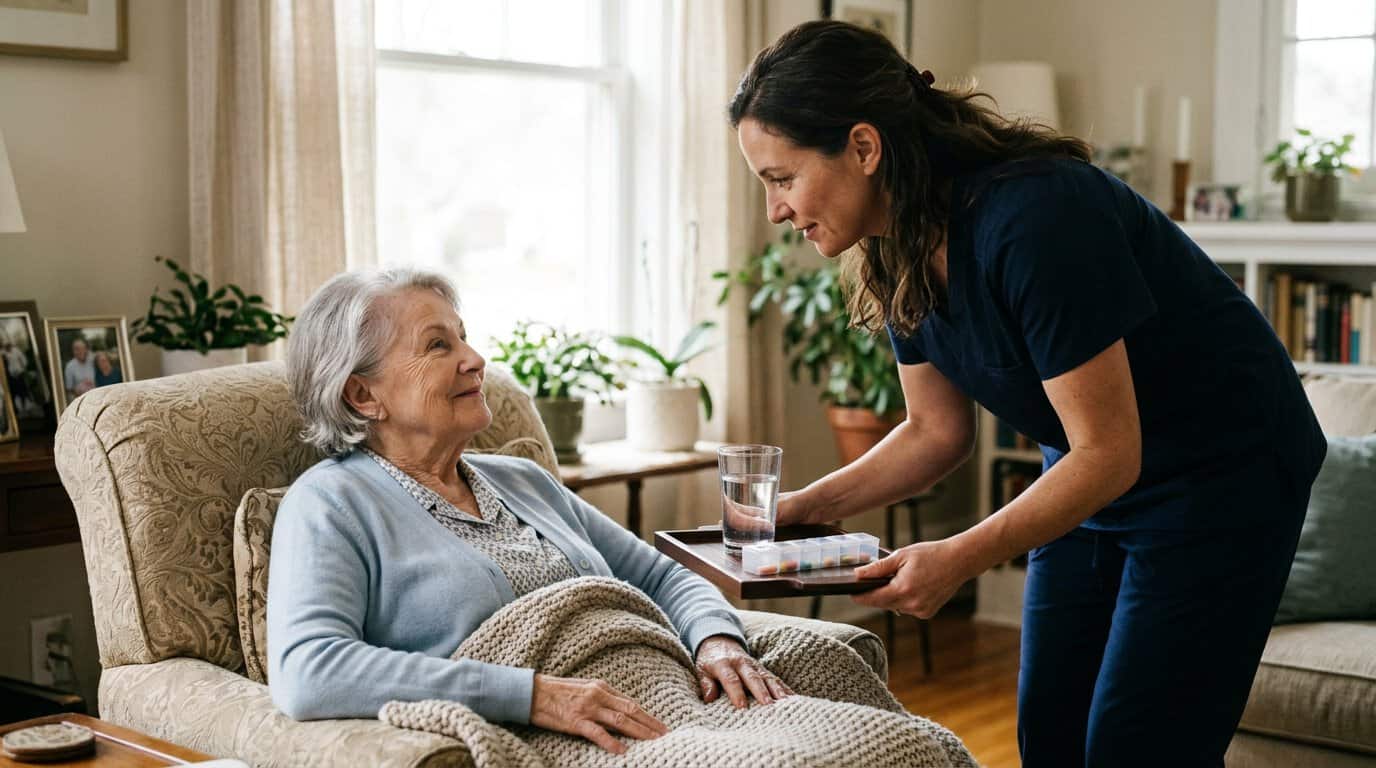
A caregiver helps with daily life: companionship, meals, light housekeeping, errands and rides, medication reminders, and hands-on help with bathing, dressing, toileting, and moving safely. Caregivers who are not licensed nurses do not perform skilled medical tasks.

A nurse registry refers independent caregivers, such as companions, CNAs, home health aides, and nurses, to families who need care at home. The family chooses the hours, and the caregivers are independent contractors rather than employees of the registry. Lux Senior Care is a Florida-licensed nurse registry.

Many people with dementia live at home for years with the right support, especially in the early and middle stages. Supervision, a steady routine, home safety changes, and help with personal care make it possible. Memory care or a nursing home may be needed if safety at home can no longer be managed.

Start with how much daily help is needed, whether it is safe to be alone, any medical needs, memory loss, your loved one’s wishes, family capacity, and the budget. A doctor’s assessment and a family conversation are the best first steps, and many families start with help at home.

Not sure which level of care fits?

A free referral consultation can help you sort through the options. If care at home is the right fit, Lux Senior Care can refer pre-screened, independent caregivers for the hours your loved one needs, from a few hours a week to around the clock.